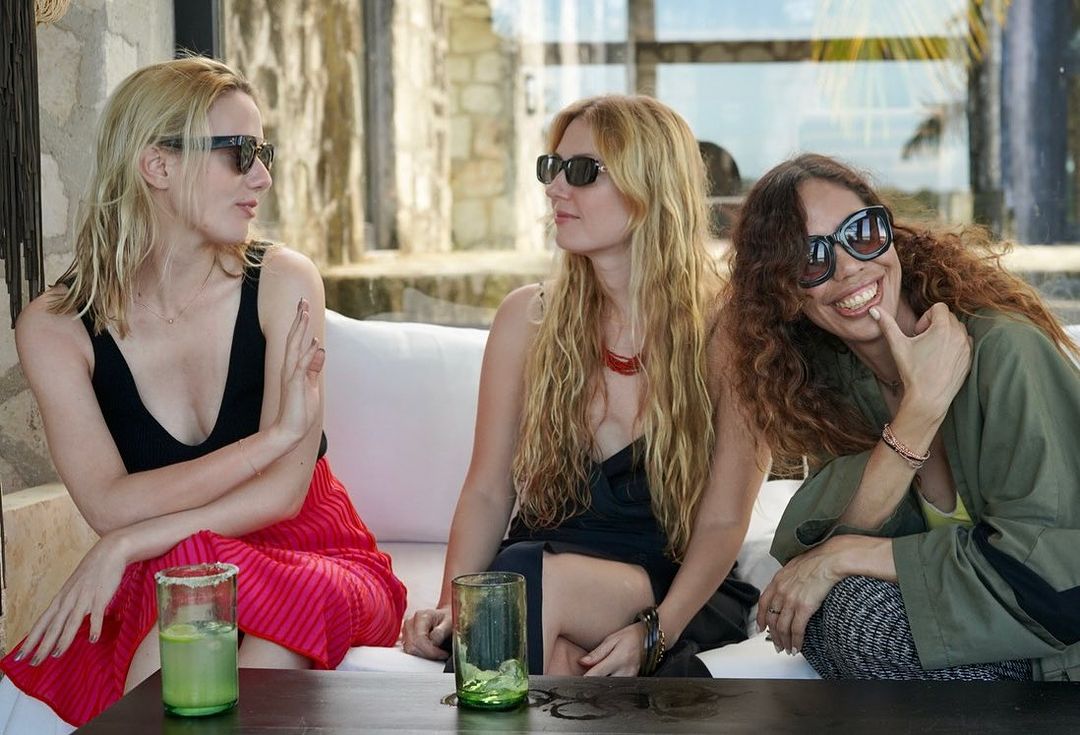
AKI AORA's 2023 edition was born from a simple need — to create a space for wellbeing, reflection and dialogue in the aftermath of the pandemic. From Socrates, Plato and Aristotle, who understood nature, movement and dialogue as inseparable from the life of the mind, to Félix Guattari's understanding of ecology as a practice of relation — between minds, bodies, territories and the living world that holds them — the most generative thinking has always found its way into the open air — into nature, into the body, into being together.
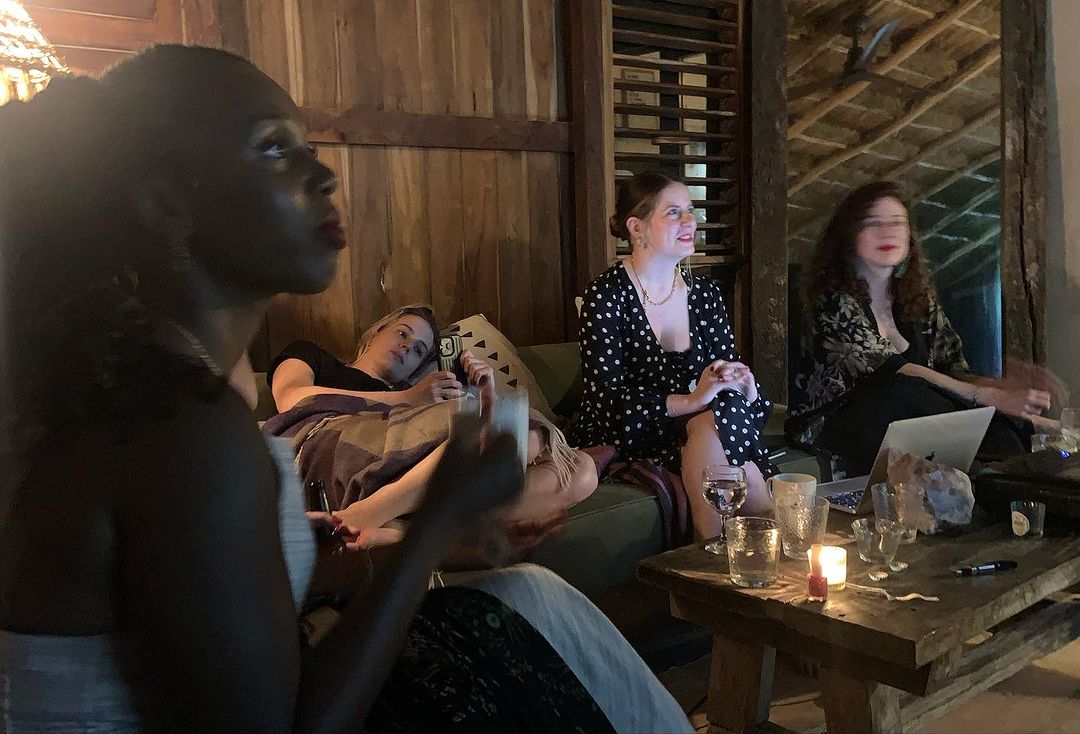
It was in this spirit that a small group of practitioners gathered at Rancho Sarah, within the Sian Ka'an Biosphere Reserve. Nothing was asked of the participants. No production was expected. This was something rarer and more personal — a space to get to know one another beyond the brief encounters that art openings allow, to meet each other more fully, outside the roles and contexts we usually inhabit.
The group brought together a range of practices and perspectives. Mirelva Bergahaut is a curator of photography and image-based art, with a focus on popular culture, representation and decolonisation, based in Amsterdam. Charlotte Knaup is a curator at the Hamburger Bahnhof – Nationalgalerie der Gegenwart in Berlin, whose practice seeks to blur the lines between different creative disciplines and foster multifaceted conversations between art and its audiences. Leah Turner is a gallerist at Esther Schipper, Berlin. Noemí Ontiveros is director of Lago Algo, Mexico. Masha Isserlis is a curator and art historian based between Berlin, co-founder of A:D:Curatorial, with a long-standing commitment to Ukrainian culture and its place within European art history. Masha Reva is a multidisciplinary artist from Kyiv, Ukraine, working contemporary art, craft, body art and performance, known for her distinctive line-based drawings across surfaces from murals and textiles to ceramics and the human body. Sally Montes, AKI AORA's founder and curator, works with the abstraction of material and immaterial data as an agent for social change, with a particular interest in disappearing languages and new ways of circulating information.
Shared daily life by the ocean — conversations and long walks along the coast, cooking together, practicing qigong, learning about agriculture and the rhythms of the land — became the framework within which something less easily defined took shape. The Sian Ka'an Biosphere Reserve — one of the most biodiverse ecosystems on earth — was not a backdrop but a condition, quietly shaping the quality of attention and the texture of conversation. What emerged was a quality of presence rarely afforded by professional life — a deeper understanding of one another, and the kind of mutual support that can only grow from shared time, shared meals and shared silence.
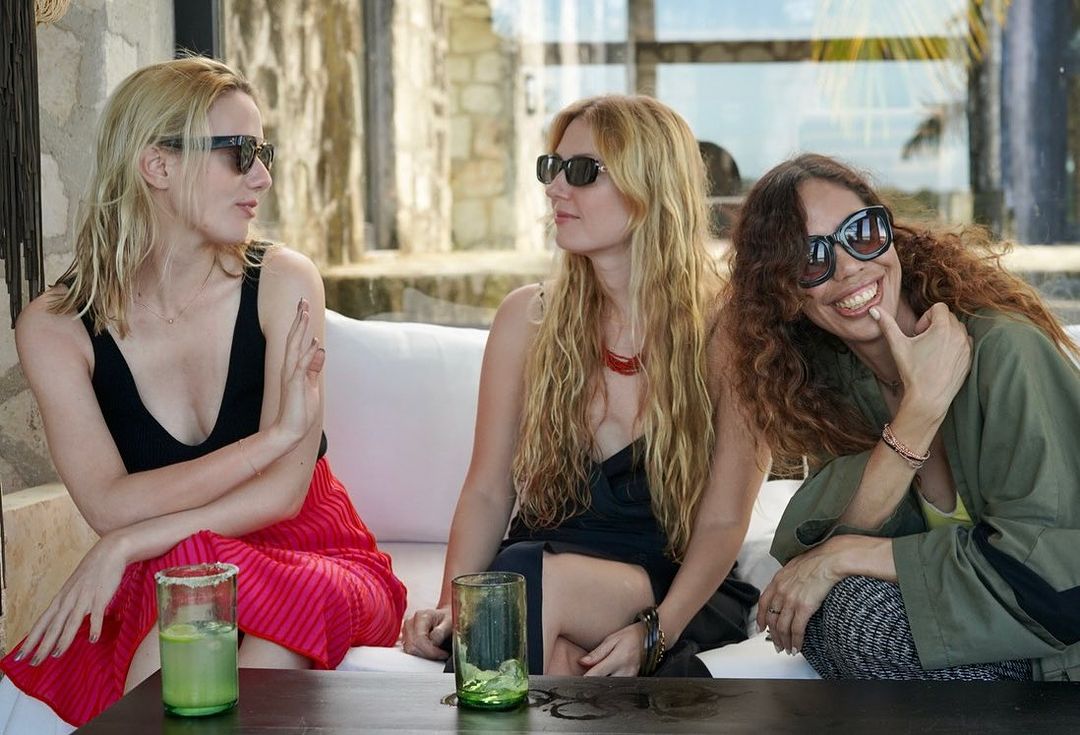
There are a lot of elements that make the AKI AORA residency a truly special experience, but the one that felt the most valuable to me was how we treated time. I enjoy working with the quick pace of the arts sector, but it means that taking time - really fully taking it without the limit of a looming deadline, a set outcome, an expected respo2 dnse - is a very rare luxury that we may even forget we should long for. Creating a space that allows for gathering and conversation, that at the same time is somehow lifted out of the normal pace of cultural work, where exchanges are driven by curiosity to learn about another’s practice rather than a desire to formalize something right then and there, makes you sit with it - whatever it may be: an idea, questions, reflections on current past and future projects or just a hint of a feeling for something that had not yet fully presented itself. This practice of sitting with it, of letting something linger, to allow something to be present without immediately dissecting it, I believe, is the best thing to think better, bigger, or maybe differently. A sort of calm and natural confrontation with thinking within this community is a different sort of labour that brings with it a longevity of connection and ideas that has a solid feeling to it. Thank you for having me.
- Charlotte Knaup
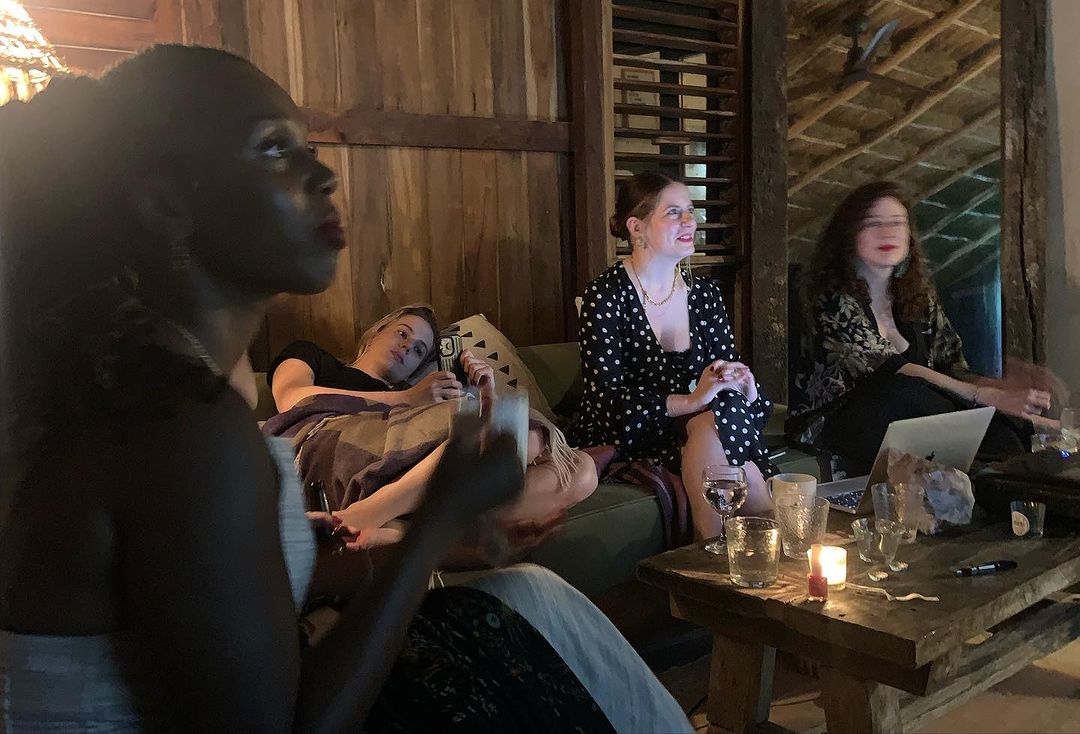
It is so rare to get the chance to enter a place so powerful that it demands not just break and disconnection from the everyday, but which fosters healing and connection on a deeper level, with oneself, with others, with nature, and with the passion for what we do and why we do it. Rancho Sarah in Sian Ka’an, Tulum is such a place.
I feel incredibly grateful to have been included in the experience, which even over four short days lodged itself in me in a deep way. It connected me to a country, to a group of incredible women working in the arts, and to a spirit of joy, care, community and generosity that can get so easily forgotten in our industry. Thank you to Sally and Masha and to our whole group for such a vital and memorable experience!
- Leah Turner