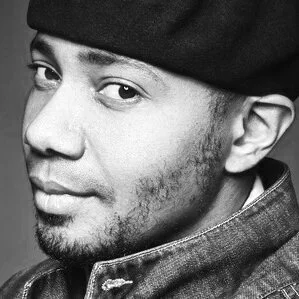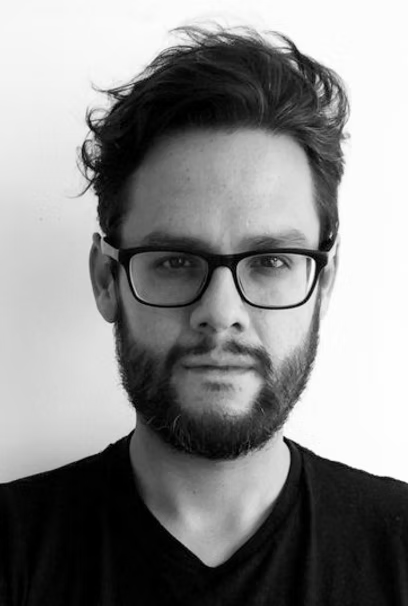
Located in between the boundaries of music and art, the work of Rogelio Sosa develops in the fields of experimental music and sound art.
Using sound as the main creative platform, his work explores a wide range of aspects that deal with sound morphology, structures of auditory reference, and performativity, questioning at the same time the contemporary notions of “noise” and “music”. His projects include improvisations, sound actions, sound interventions and sound installations that make use of electronic media most of the times.
Generating situations of exceptional hearing through the transformation and transgression of stable sound entities, as well as the intensification of the acoustic space, his artistic proposal seeks to find new ways to perceive, understand and conceptualize the sound phenomenon.
He has presented his work in more than 50 cities in Argentina, Austria, Belgium, Canada, Chili, Cuba, France, Germany, Hungary, Italy, Mexico, The Netherlands, Peru, The United States and Venezuela.
.avif)
In line with this year’s theme of the anthropocene and the questioning Tulum’s accelerated growth as a new form of colonialism, Rogelio Sosa was invited back to screen an edited documentation of his three-hour live performance he had developed from last year’s residency.
For the 2018 edition Rogelio was inspired by John Milton’s Paradise Lost poem and explored themes of environmental devastation as well as aspects of Mayan mythology using sound as his main medium. His research resulted in the de-construction of prehispanic instruments played live via electronic devices that he operated during the piece accompanied by four actors throughout a three-hour long play that combined ritualistic practice with synchronized actions reminiscent of the demise of the Garden of Eden - a paradise eventually destroyed. Different narrations in the Mayan language described the creation of the world and the human being, with its descent towards death and the end of time. The Mayan narrations were intertwined by another voice in English that spoke of anthropological themes including studies of colonialism, the savage man and shamanism.
‘Paraíso Perdido’ was a project curated by Sally Montes and Mascha Isserlis, released in collaboration with Una Pardo, Nabil Salazar, Alberto, Ariel from Rancho San Eric and Alejandro from Radio Candela.
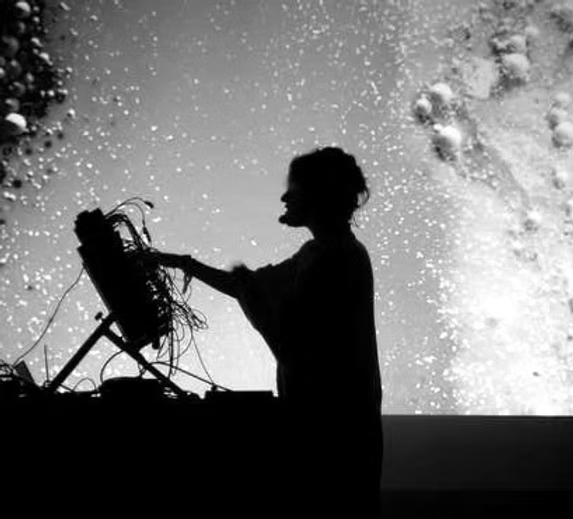
This year Rogelio accompanied this screening with a live musical performance using the Mayan Tunkul as well as other pre-hispanic instruments on the stage of the public House of Culture, the audience seated in an intimate circle on stage helped conjure up the closeness of the original performance as we watched, and Rogelio talked more about the process of the performance and the themes he had been investigating.